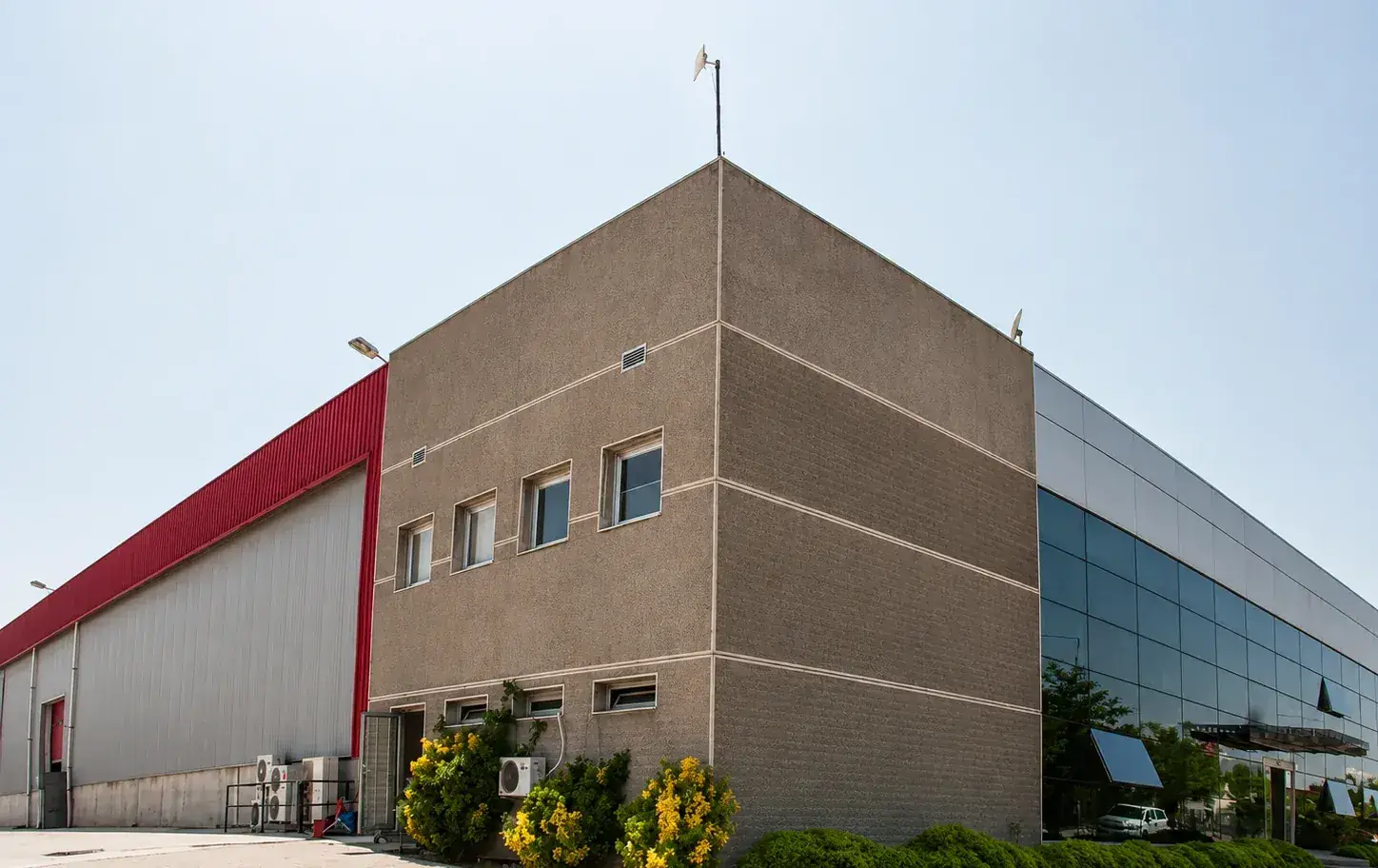
An aero-engine site with more than 5,000 people has, until now, been heated mostly with gas. At Safran's Villaroche site in Seine-et-Marne that is changing: the inauguration of a deep geothermal plant was on the French ministry's programme for 4 November, L'EnerGeek reported. The companies call it the first deep geothermal plant built for an industrial site in Île-de-France.
Dalkia, the EDF group subsidiary that runs the plant, described the project in February, while drilling was under way:
- two wells, one producing and one re-injecting, into the Dogger aquifer at about 1,650 m
- water at about 75 °C
- heat pumps and modernised heating networks on the site to use that heat
- the aim to replace, over time, 84% of the site's energy needs that are met with gas, and to avoid close to 6,500 tonnes of CO2 a year
Drilling was done by Dalkia with Arverne. Construction began in autumn 2025 and commissioning was planned for autumn 2026. According to L'EnerGeek the project has state support through the Heat Fund (Fonds chaleur); no amount is given, nor the thermal output of the plant. Both the 84% and the CO2 figure are targets, not operating results.
Dogger water stays in the doublet
Water from 1,650 m down is not something to send round a factory. Deep aquifer water of this kind is typically saline and carries dissolved gases, so the usual layout keeps it in a closed loop between the two wells: it gives up its heat through an exchanger and goes back down. Everything on the site side runs on clean water.
At 75 °C the source is warm enough for space heating directly, while the heat pumps lift part of the heat for consumers that need more. On an industrial site the interesting question is which process loads can be moved to lower temperatures to suit the geothermal water, rather than the other way round. That is usually where the 84% is won or lost.
For the industrial side, the practical points are the familiar ones: exchanger materials chosen for the brine, a cleaning plan that does not stop the site, and spare plates and gaskets for the winter.
Sources: L'EnerGeek, Dalkia