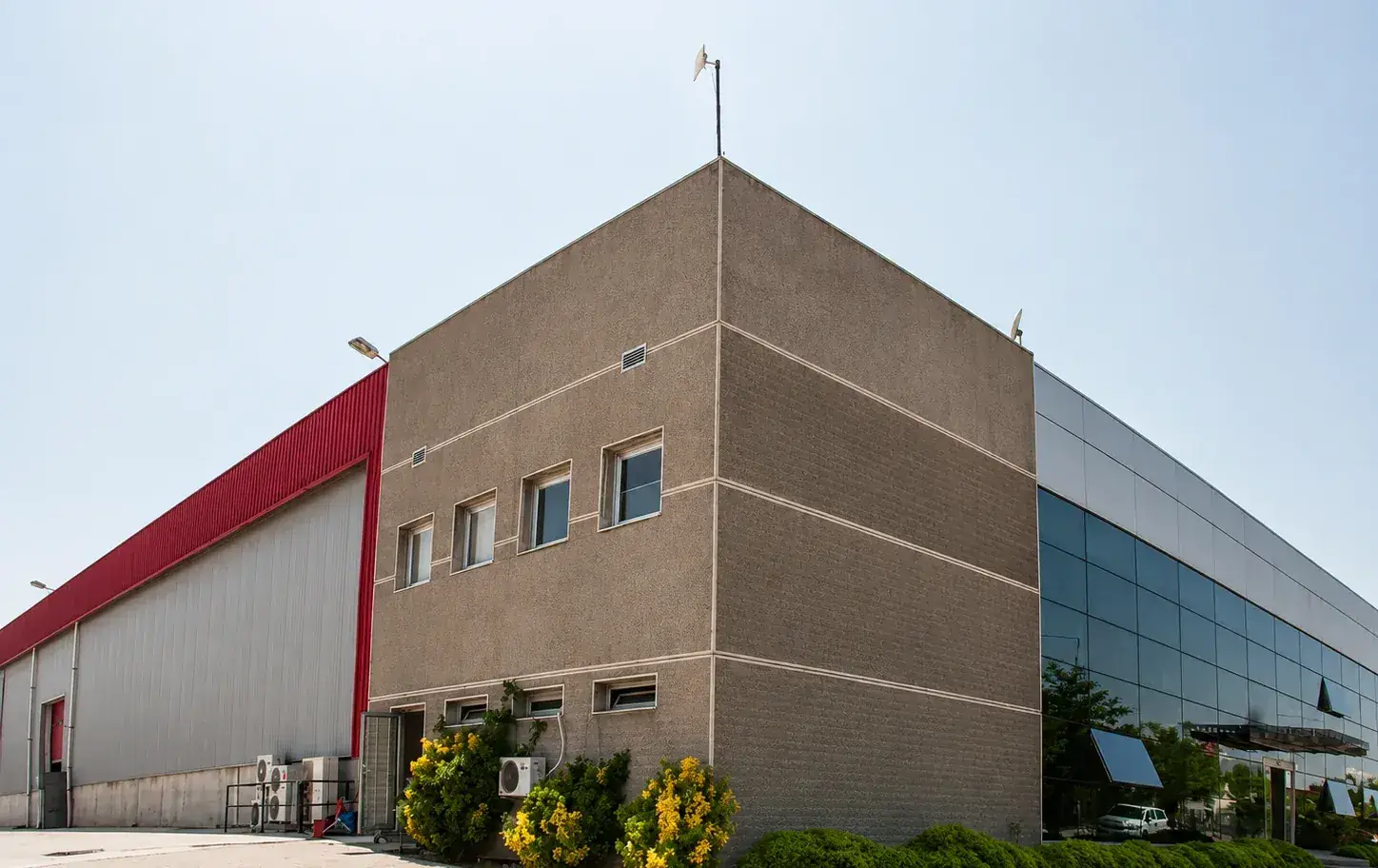
A data center wants to get rid of heat; a heat network wants to buy it. Two Spanish companies have decided to look at putting the two together. Ignis, a Madrid-based energy company, and Rebi, an operator of renewable heat networks, announced on 5 November that they have signed a memorandum of understanding to explore district heating networks fed by waste heat from data centers.
The work will focus on the data center projects Ignis is developing together with specialised operators. The idea is to combine the cooling needs of those sites with systems that recover the heat and distribute it to homes, commercial and public buildings and industrial processes. Rebi brings its experience in designing, building and running heat networks; Ignis looks at how this fits its data center portfolio and its energy management business.
Some background on the two:
- Ignis was founded in 2015 and says it has more than 1 GW of its own generation capacity in operation or under construction, and manages about 10 GW of its own and third-party assets.
- Rebi, founded in 2007, runs six district heating networks in Spain, including one in Guadalajara, and also works on industrial decarbonisation with biomass, heat recovery, heat pumps, hybrid solar and thermal storage.
The agreement names no sites, capacities, investment or dates. As pv magazine pointed out, each project will stand or fall on whether there is enough heat demand nearby and on the technical conditions of connecting the data center to a network.
Cooling demand in summer, heat demand in winter
In a Spanish climate that mismatch is the first thing to model. A data center rejects roughly the same heat all year; a residential network wants most of it between November and March. Industrial users with steady process heat demand, or a network that also serves hot water, make the numbers far easier, and that may be why the partners mention industry next to homes.
Whatever the customer, the data center's own cooling loop has to keep working when the network does not take the heat. In practice that means a plate heat exchanger at the boundary between the two water systems and a heat rejection path that can carry the full load on its own. We would ask early who decides, minute by minute, where the heat goes.
Sources: Ignis, pv magazine